Author: timthenomad
Good Hygiene
Story
After a few days of being at the training site and shaking off the fog of jetlag, we’ve been able to communicate like real human beings again. Recently, some volunteers and I ate lunch with two of the Namibian trainers. My plate overflowed with game meat, butternut squash, and potatoes. We also drank some mango juice, and this prompted one of the trainers–a self-described “mixed chakalaka” who represents all of Namibia’s vast diversity in one person–to admit something to us.
The Vermont Lakemonsters
Image
The Honor to Tell Someone’s Story
StoryThis story comes from my sister, who is in the rotations phase of Medical School. Years ago, when she was in undergrad, she was focusing on politics, design, and peace studies . . . you know, the things that naturally lend themselves to Med. School.
Kidding aside, these things truly did contribute to the kind of doctor that my sister would be. Recently, she wrote about her Photography 101 course, and shared it with me.
12 Hours in Montreal
Image
Beautiful Vermont
Image
Human Beings
StoryThis story took place a little over two years ago, but it has been on my mind today. Being good friends with the poet, Haji Gora Haji, my program’s resident director was invited by him to visit his hometown on the island of Tumbatu. Excited about the opportunity, she asked if we four students could also come along, and Mzee Haji Gora agreed. To understand the gravity of this invitation, I should explain that outsiders are typically never allowed on Tumbatu without having been invited and granted permission by a local sheha. I am sure that it is the most isolated place I have ever been. To my knowledge, there are no cars on the island; though, there is an inexplicable, yellow phone booth without any sort of phone in it. We didn’t know what we would see or do there, but if there is anyone better to travel Zanzibar with than Haji Gora, I am not sure who it would be. He speaks in riddles, recounts oral histories of ancient times, and commands more respect than a president.
Saint Michael’s in the Summer
Image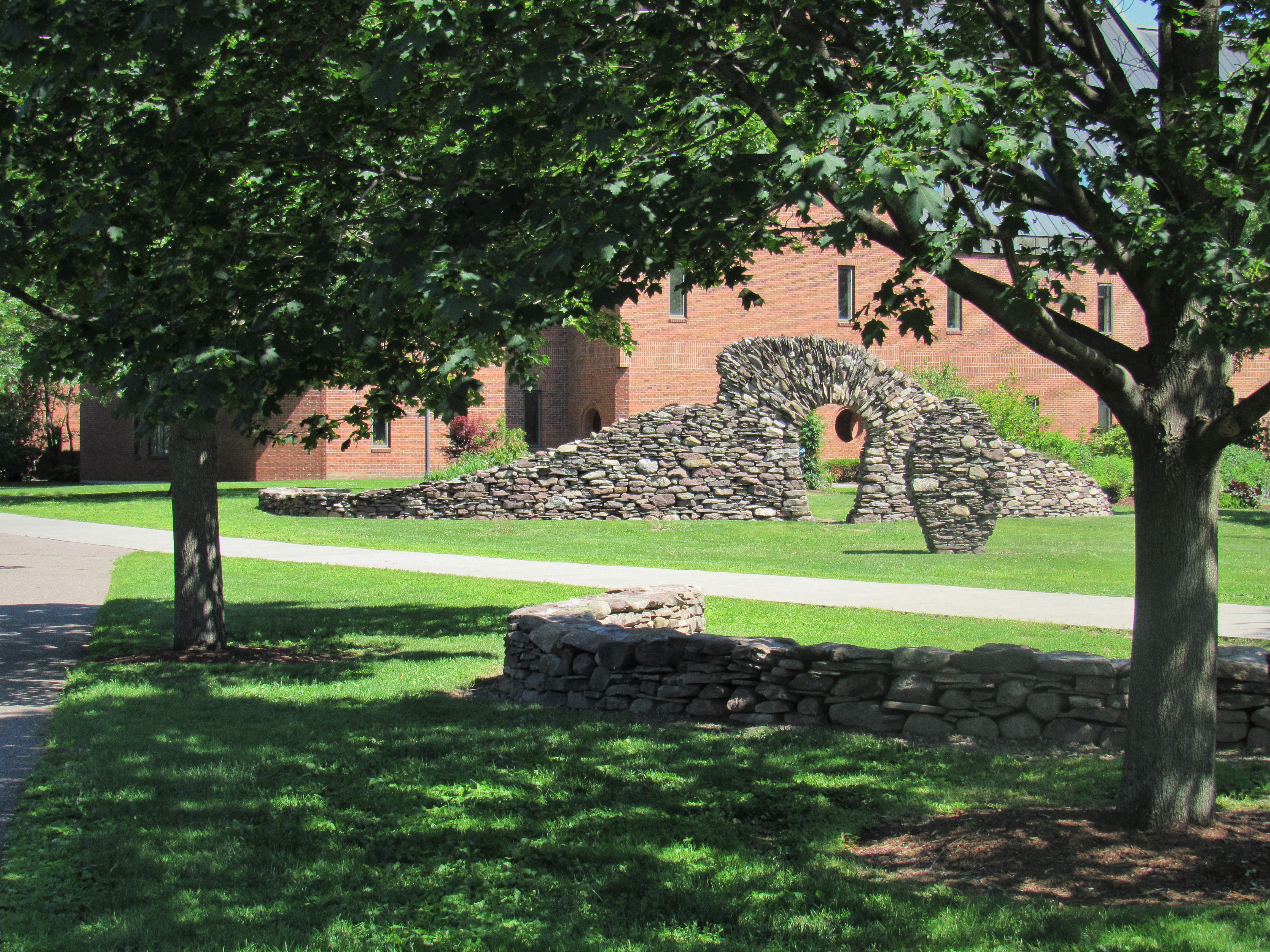
Wete
Image
Barka la Mvua
StoryIn Swahili culture, it is said that when a guest comes with the rain, it is a sign of blessings. Additionally, when a guest is trying to leave but the heavy rains are delaying them, that is supposed to be a good sign, too. Especially when the rains cause so much damage, and even death, this belief is certainly tested. However, I still heard it many times this year even after the devastation in Dar and Unguja. People know that despite the damage and no matter how unpleasant, rain will also bring life in the form of plants, crops, and natural balance. This belief first had meaning for me when I walked to my first day of work as an intern in Stonetown two years ago.

 Tim the Nomad